

What is the repair cost of a fail open pneumatic actuator?
Dec 26, 2025
Leave a message
A fail-open pneumatic actuator is a crucial component in many industrial applications, especially in systems where safety and emergency shutdowns are paramount. When such an actuator fails, understanding the repair cost is essential for both operators and maintenance teams. As a supplier of fail-open pneumatic actuators, I've witnessed firsthand the impact of actuator failures and the associated repair expenses. In this blog, I'll delve into the factors influencing the repair cost of a fail-open pneumatic actuator and provide insights to help you manage these costs effectively.
Understanding Fail-Open Pneumatic Actuators
Before discussing repair costs, it's important to understand what a fail-open pneumatic actuator is. These actuators are designed to open a valve or perform a specific function when there is a loss of air pressure or power. They are commonly used in industries such as oil and gas, chemical processing, and power generation, where ensuring the safety of personnel and equipment is of utmost importance.
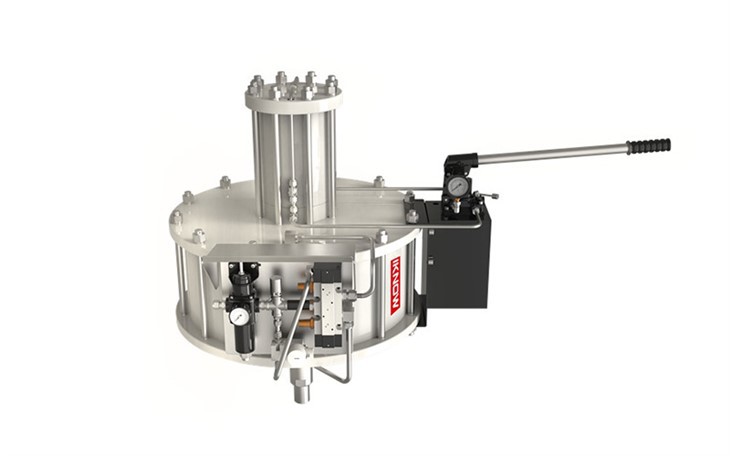
Fail-open pneumatic actuators typically consist of a piston, cylinder, springs, and a control mechanism. The piston is driven by compressed air, which moves it within the cylinder to open or close the valve. Springs are used to provide the fail-open function, ensuring that the valve opens automatically in the event of a power or air pressure failure.
Factors Affecting Repair Cost
The repair cost of a fail-open pneumatic actuator can vary significantly depending on several factors. Here are some of the key factors that influence the overall repair expenses:
1. Type and Size of the Actuator
The type and size of the actuator play a major role in determining the repair cost. Larger actuators generally require more materials and labor to repair, as they have more components and a greater surface area. Additionally, different types of actuators, such as Pneumatic Piston Actuator or High Pressure Pneumatic Actuator, may have unique design features that can affect the repair process and cost.
2. Extent of Damage
The extent of damage to the actuator is another critical factor. Minor issues, such as a leaky seal or a worn-out O-ring, can often be repaired relatively inexpensively. However, more severe damage, such as a cracked cylinder or a broken piston, may require extensive repairs or even replacement of the entire actuator. In some cases, damage to internal components may not be immediately visible, requiring disassembly and inspection to accurately assess the problem.
3. Availability of Parts
The availability of replacement parts can also impact the repair cost. If the required parts are readily available, the repair process can be completed quickly and at a lower cost. However, if the parts need to be specially ordered or are no longer in production, the repair time and cost can increase significantly. In some cases, it may be necessary to source parts from multiple suppliers or even have them custom-made, which can add to the overall expense.
4. Labor Costs
Labor costs are a significant component of the repair cost. The complexity of the repair job, the skill level of the technicians, and the location of the repair facility can all affect the labor charges. In some areas, labor costs may be higher due to factors such as a shortage of skilled technicians or a high cost of living. Additionally, if the repair requires specialized tools or equipment, the labor cost may increase further.
5. Downtime Costs
While not directly related to the repair cost itself, downtime costs can have a significant impact on the overall financial impact of an actuator failure. When an actuator fails, it can cause the entire system to shut down, resulting in lost production, missed deadlines, and potential revenue losses. Minimizing downtime is crucial, and in some cases, it may be more cost-effective to replace the actuator rather than attempting to repair it, especially if the repair process is expected to take a long time.
Cost Breakdown
To give you a better idea of the potential repair costs, here is a general breakdown of the expenses associated with repairing a fail-open pneumatic actuator:
1. Parts Cost
The cost of replacement parts can range from a few dollars for simple components such as seals and gaskets to several thousand dollars for major components such as cylinders and pistons. The exact cost will depend on the type and size of the actuator, as well as the availability of the parts.
2. Labor Cost
Labor costs typically account for a significant portion of the repair expense. The hourly rate for technicians can vary depending on their skill level and experience, as well as the location of the repair facility. On average, labor costs for actuator repair can range from $50 to $150 per hour, depending on the complexity of the job.
3. Testing and Calibration
After the repair is completed, the actuator needs to be tested and calibrated to ensure that it is functioning properly. This process can add additional costs, including the cost of testing equipment and the time required for calibration. Testing and calibration costs can range from a few hundred dollars to over a thousand dollars, depending on the type and complexity of the actuator.
4. Shipping and Handling
If the actuator needs to be shipped to a repair facility, shipping and handling costs will also need to be considered. These costs can vary depending on the size and weight of the actuator, as well as the distance it needs to be shipped.
Strategies to Reduce Repair Costs
While the repair cost of a fail-open pneumatic actuator can be significant, there are several strategies that you can implement to reduce these expenses:
1. Regular Maintenance
One of the most effective ways to reduce repair costs is to implement a regular maintenance program. By performing routine inspections, lubrication, and calibration, you can identify and address potential issues before they become major problems. Regular maintenance can also extend the lifespan of the actuator, reducing the frequency of repairs and replacements.
2. Stocking Spare Parts
Maintaining an inventory of commonly used spare parts can help minimize downtime and repair costs. By having the necessary parts on hand, you can quickly replace faulty components and get the actuator back up and running as soon as possible. This can also reduce the need for expensive emergency orders and overnight shipping.
3. Training and Certification
Investing in training and certification for your maintenance staff can improve their skills and knowledge, allowing them to perform more complex repairs in-house. This can reduce the need to outsource repairs to external contractors, saving on labor costs. Additionally, trained technicians are more likely to identify and address issues correctly the first time, reducing the risk of repeat failures.
4. Partnering with a Reliable Supplier
Working with a reputable supplier of fail-open pneumatic actuators can provide several benefits, including access to high-quality parts, technical support, and competitive pricing. A reliable supplier can also offer maintenance and repair services, ensuring that your actuators are properly maintained and repaired when needed.
Conclusion
The repair cost of a fail-open pneumatic actuator can vary depending on several factors, including the type and size of the actuator, the extent of damage, the availability of parts, labor costs, and downtime costs. By understanding these factors and implementing strategies to reduce repair expenses, you can effectively manage the financial impact of actuator failures.

As a supplier of fail-open pneumatic actuators, we are committed to providing our customers with high-quality products and reliable support. If you have any questions about the repair cost of our actuators or need assistance with maintenance and repair, please don't hesitate to contact us. We are here to help you minimize downtime and keep your operations running smoothly.
References
- "Pneumatic Actuators: Principles, Types, and Applications." Industrial Automation Handbook.
- "Maintenance and Repair of Pneumatic Actuators." Hydraulics & Pneumatics Magazine.
- "Cost Analysis of Actuator Failures in Industrial Systems." Journal of Industrial Engineering.