

How to operate a pneumatic gate valve with side handwheel?
Jan 19, 2026
Leave a message
Hey there! As a supplier of pneumatic gate valves with side handwheels, I'm super stoked to share some insights on how to operate these nifty devices. Whether you're a newbie or just looking to brush up on your skills, this blog post is going to be your go-to guide.
Understanding the Basics
First things first, let's take a quick look at what a pneumatic gate valve with a side handwheel is all about. A pneumatic gate valve is a type of valve that uses compressed air to open and close the gate, which controls the flow of fluid through a pipeline. The side handwheel, on the other hand, provides a manual override option. This is super handy in case of power outages or when you need to make fine adjustments.
Pre-Operation Checks
Before you start operating the valve, it's crucial to conduct a few pre-operation checks. These checks will ensure that the valve is in good working condition and that you can operate it safely.
- Visual Inspection: Take a good look at the valve. Check for any signs of damage, such as cracks, leaks, or loose fittings. Make sure the side handwheel is in good shape and can turn freely.
- Air Supply: Ensure that the air supply to the Pneumatic Piston Actuator is properly connected and that the pressure is within the recommended range. Usually, the operating pressure for pneumatic gate valves is between 30 and 100 psi, but it's best to check the manufacturer's specifications.
- Position Indication: Confirm that the valve's position indication matches its actual position. This will help you avoid any confusion during operation.
Operating the Pneumatic Gate Valve
Now that you've completed the pre-operation checks, it's time to start operating the valve. Here's a step-by-step guide on how to do it:
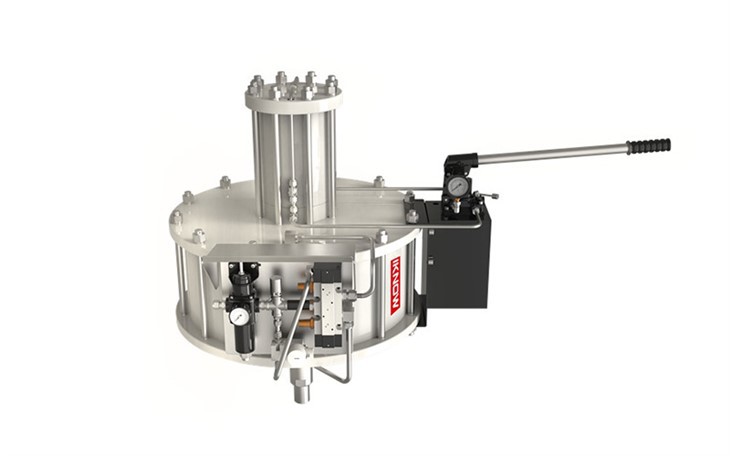

Automatic Operation (Using Pneumatic Power)
- Open the Air Supply: Turn on the air supply to the Air Piston Actuator. This will supply compressed air to the actuator, which will then move the gate either open or closed, depending on the control signal.
- Control the Valve Position: Use the control system to send the appropriate signal to the actuator. In most cases, you can use a push button, a switch, or a remote control system. The actuator will respond to the signal and move the gate to the desired position.
- Verify the Valve Position: Check the position indication to make sure the valve has moved to the correct position. You can also visually inspect the valve to confirm.
Manual Operation (Using the Side Handwheel)
- Isolate the Pneumatic System: Before using the side handwheel, you need to isolate the pneumatic system. This can usually be done by turning off the air supply or using a manual shut-off valve.
- Turn the Side Handwheel: Once the pneumatic system is isolated, you can start turning the side handwheel. To open the valve, turn the handwheel in the counterclockwise direction. To close the valve, turn it in the clockwise direction.
- Apply Appropriate Force: You may need to apply some force to turn the handwheel, especially if the valve has been closed for a long time. However, be careful not to use too much force, as this could damage the valve.
- Verify the Valve Position: After turning the handwheel, check the position indication to make sure the valve has reached the desired position.
Troubleshooting Common Issues
Even with proper operation and maintenance, you may encounter some issues with your pneumatic gate valve. Here are some common problems and how to troubleshoot them:
- Valve Not Opening or Closing: If the valve is not opening or closing properly, check the air supply. Make sure the pressure is within the recommended range and that there are no blockages in the air lines. You may also need to check the actuator for any mechanical issues.
- Leaking Valve: A leaking valve can be a serious problem. Check the valve seals for any signs of damage or wear. If the seals are damaged, you may need to replace them. You should also check the valve body for any cracks or leaks.
- Handwheel Difficult to Turn: If the side handwheel is difficult to turn, it could be due to a build-up of dirt or debris. Try cleaning the handwheel and the valve stem. You may also need to lubricate the valve stem to make it easier to turn.
Maintenance Tips
To ensure the long-term performance of your pneumatic gate valve with side handwheel, it's important to follow a regular maintenance schedule. Here are some maintenance tips:
- Lubrication: Regularly lubricate the valve stem and the side handwheel to prevent corrosion and ensure smooth operation. Use a high-quality lubricant that is compatible with the valve materials.
- Inspection: Conduct regular visual inspections of the valve to check for any signs of damage or wear. Pay special attention to the seals, the actuator, and the handwheel.
- Air Filter Maintenance: Keep the air filter in the pneumatic system clean to prevent dirt and debris from entering the actuator. Replace the air filter regularly according to the manufacturer's recommendations.
Why Choose Our Pneumatic Gate Valves with Side Handwheels
As a supplier, I'm confident in saying that our pneumatic gate valves with side handwheels are top-notch. Here are some reasons why you should choose our products:
- Quality Construction: Our valves are made from high-quality materials that are designed to withstand harsh operating conditions. They are built to last and provide reliable performance.
- Easy to Operate: The side handwheel provides a convenient manual override option, making it easy to operate the valve in case of emergencies or when fine adjustments are needed.
- Customizable Options: We offer a range of customizable options to meet your specific needs. Whether you need a different size, material, or actuator type, we can work with you to find the perfect solution.
Contact Us for Purchasing
If you're interested in purchasing our pneumatic gate valves with side handwheels, we'd love to hear from you. Our team of experts can provide you with more information about our products, answer any questions you may have, and help you find the right valve for your application. Don't hesitate to reach out and start a conversation about your procurement needs.
References
- Manufacturer's manuals for pneumatic gate valves with side handwheels
- Industry standards and best practices for valve operation and maintenance