

What is the difference between a pneumatic spring actuator and an electric actuator?
Aug 20, 2025
Leave a message
Hey there! As a supplier of pneumatic spring actuators, I often get asked about the differences between pneumatic spring actuators and electric actuators. It's a great question, and in this blog, I'll break down the key distinctions to help you understand which one might be the better fit for your needs.
How They Work
Let's start with how these two types of actuators operate. A pneumatic spring actuator uses compressed air to generate motion. The basic idea is that when air is pumped into the actuator, it creates pressure that moves a piston or a diaphragm. This movement can then be used to open or close valves, operate levers, or perform other mechanical tasks. When the air pressure is released, a spring inside the actuator returns it to its original position.
On the flip side, an electric actuator runs on electricity. It typically has a motor that converts electrical energy into mechanical motion. There are different types of motors used in electric actuators, like DC motors, AC motors, and stepper motors. The motor rotates a shaft, which is connected to a gearbox or a lead screw. This setup translates the rotational motion into linear motion, which is what you need to move things like valves or dampers.
Performance and Precision
When it comes to performance, both actuators have their strengths. Pneumatic spring actuators are known for their quick response times. They can move really fast, making them a great choice for applications where speed is crucial. For example, in industrial automation, they can open and close valves in a split second. They're also pretty reliable in harsh environments. Since they use air, there's no risk of electrical short - circuits due to moisture or dust.
However, electric actuators take the cake when it comes to precision. They can be programmed to move to very specific positions with high accuracy. This is because the motor can be controlled precisely, and the gearbox or lead screw can provide fine - tuned motion. In applications like robotics or high - precision manufacturing, electric actuators are often the go - to option. They can repeat the same movement over and over again with minimal error.
Power and Energy Efficiency
Power requirements are another area where these two actuators differ. Pneumatic spring actuators need a constant supply of compressed air. You'll need an air compressor to generate this air, which can be quite energy - intensive. The compressor has to run continuously to maintain the required air pressure, and it consumes a significant amount of electricity. Also, there can be air leaks in the system, which further waste energy.
Electric actuators, on the other hand, only use electricity when they're actually moving. Once they reach their desired position, they can hold it without consuming much power. This makes them more energy - efficient in applications where the actuator doesn't need to move constantly. For example, in a building's HVAC system, an electric actuator can adjust the dampers and then stay in place with minimal power usage.
Cost
Cost is always a big factor when choosing an actuator. Pneumatic spring actuators are generally more affordable upfront. The actuator itself is usually cheaper, and the installation is relatively straightforward. You just need to connect the air lines and make sure the air pressure is right. However, the long - term costs can add up. As I mentioned, the air compressor can be expensive to run and maintain. You also need to factor in the cost of replacing parts like seals and gaskets over time.
Electric actuators tend to have a higher initial cost. The motor, gearbox, and control system can be pricey. But in the long run, they can save you money. Their energy efficiency means lower operating costs, and they often require less maintenance. Since there are no air leaks or issues with air quality, you don't have to worry about those ongoing expenses.
Applications
Let's talk about where each actuator shines in real - world applications. Pneumatic spring actuators are widely used in industries like chemical processing, oil and gas, and food and beverage. In chemical plants, they're used to control the flow of various chemicals through valves. Their quick response times are essential in case of emergencies, like shutting off a valve to prevent a leak. You can check out our Fail Open Pneumatic Actuator for more information on a specific type of pneumatic actuator that's great for safety - critical applications.
Electric actuators are popular in the automotive, aerospace, and medical industries. In automotive manufacturing, they're used in robotic arms for welding and assembly. Their precision ensures that parts are assembled correctly every time. In the aerospace industry, they're used to control flight surfaces on aircraft. And in medical equipment, they're used for things like adjusting the position of surgical instruments.
If you're looking for a more general - purpose pneumatic option, our Air Piston Actuator and Pneumatic Piston Actuator are worth considering. They offer reliable performance for a variety of applications.
Maintenance and Durability
Maintenance is an important aspect to consider. Pneumatic spring actuators are relatively simple to maintain. You mainly need to check the air supply for proper pressure and clean or replace the air filters regularly. The seals and gaskets also need to be inspected for wear and tear. If there are any leaks, they can be fixed by replacing the faulty parts.
Electric actuators, while having less maintenance related to environmental factors, do require some attention. The motor and gearbox need to be lubricated periodically. The electrical components also need to be checked for signs of damage or overheating. However, since they have fewer moving parts compared to a pneumatic system with an air compressor, the overall maintenance can be more straightforward in some cases.

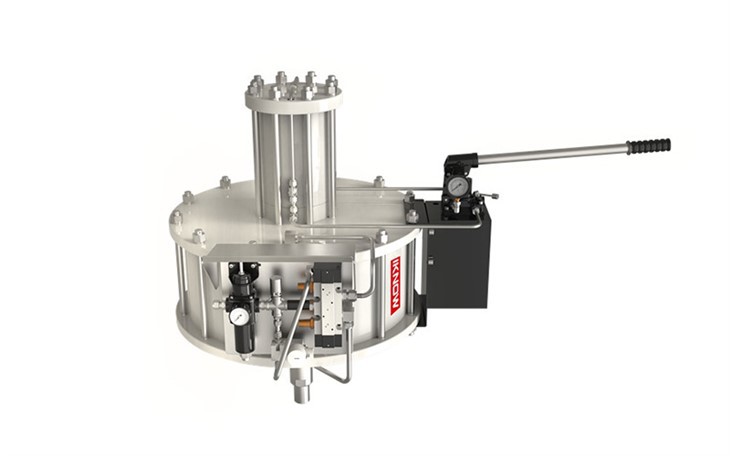
In terms of durability, both actuators can last a long time if properly maintained. Pneumatic spring actuators can withstand high - pressure environments and are resistant to corrosion in some cases. Electric actuators, when protected from moisture and excessive heat, can also have a long service life.
Conclusion and Call to Action
So, as you can see, both pneumatic spring actuators and electric actuators have their unique features. The choice between them depends on your specific application, budget, and performance requirements. If you need speed, reliability in harsh environments, and a more affordable upfront cost, a pneumatic spring actuator might be the way to go. But if precision, energy efficiency, and high - tech control are your priorities, then an electric actuator is probably better suited for you.
If you're still not sure which actuator is right for your project, or if you want to learn more about our pneumatic spring actuators, don't hesitate to reach out. We're here to help you make the best decision for your needs. Whether it's for a small - scale project or a large - scale industrial application, we can provide you with the right actuator and support. Contact us today to start a discussion about your procurement needs, and let's find the perfect solution together.
References
- Industrial Actuator Handbook: Covers general information about actuators, including pneumatic and electric types.
- Journal of Automation and Control Technology: Contains research on the performance and applications of different actuators.
- Manufacturer's manuals for pneumatic and electric actuators: Provide detailed technical specifications and usage guidelines.