

What is the effect of leakage on a pneumatic piston actuator?
Jun 30, 2025
Leave a message
Leakage in a pneumatic piston actuator can have far - reaching consequences that significantly impact its performance, efficiency, and overall reliability. As a leading supplier of Air Piston Actuator, Pneumatic Piston Actuator, and Fail Close Pneumatic Actuator, we understand the intricacies of these devices and the importance of addressing leakage issues.
1. Impact on Performance
The most immediate effect of leakage on a pneumatic piston actuator is a reduction in its force - generating capacity. Pneumatic piston actuators operate based on the principle of converting compressed air energy into mechanical motion. When there is a leak in the system, the pressure within the actuator chamber drops. According to the basic formula for force in a pneumatic actuator, (F = P\times A), where (F) is the force, (P) is the pressure, and (A) is the cross - sectional area of the piston. A decrease in pressure directly leads to a decrease in the force exerted by the piston.
This reduction in force can cause the actuator to fail to perform its intended tasks. For example, in industrial applications where the actuator is used to open or close valves, a leak may prevent the valve from fully opening or closing. This can lead to inaccurate flow control, which is critical in processes such as chemical manufacturing, water treatment, and power generation.
Moreover, leakage can also affect the speed of the actuator. The flow rate of the compressed air is related to the speed of the piston movement. A leak disrupts the normal flow of air, causing inconsistent or slower movement of the piston. This can be a major problem in applications where precise and rapid movement is required, such as in automated assembly lines.
2. Energy Efficiency
Leakage in a pneumatic piston actuator has a significant impact on energy efficiency. Compressed air is an expensive form of energy, and any leakage represents a waste of this valuable resource. In a typical industrial setting, compressed air systems can account for a large portion of the total energy consumption. When there is a leak in a pneumatic piston actuator, the compressor has to work harder to maintain the required pressure in the system.
This increased workload on the compressor leads to higher energy consumption and increased operating costs. Studies have shown that even small leaks in a pneumatic system can result in substantial energy losses over time. For example, a single 3 - millimeter leak in a compressed air system can cost thousands of dollars in additional energy expenses per year.
In addition to the direct energy costs, the increased wear and tear on the compressor due to the extra work can also lead to higher maintenance and replacement costs. This further adds to the overall cost of operating the pneumatic piston actuator.
3. Reliability and Maintenance
Leakage can also compromise the reliability of a pneumatic piston actuator. Over time, the continuous loss of compressed air can cause the internal components of the actuator to dry out and wear more quickly. The seals, which are crucial for preventing leakage, are particularly vulnerable. If the seals are damaged or worn due to the effects of leakage, the problem will only get worse.
As the actuator becomes less reliable, the frequency of breakdowns increases. This can lead to unplanned downtime in industrial processes, which can be extremely costly. For example, in a manufacturing plant, a single actuator failure can bring an entire production line to a halt, resulting in lost production time and revenue.
To maintain the reliability of the actuator, more frequent maintenance is required. This includes regular inspections for leaks, replacement of worn seals, and other preventive maintenance measures. The increased maintenance requirements not only add to the operating costs but also require skilled technicians to perform the work, which may not always be readily available.
4. Environmental Impact
The environmental impact of leakage in a pneumatic piston actuator should not be overlooked. As mentioned earlier, the increased energy consumption due to leakage leads to higher greenhouse gas emissions. The generation of electricity to power the compressors often involves the burning of fossil fuels, which release carbon dioxide and other pollutants into the atmosphere.
In addition, the production and disposal of replacement parts for the actuator, such as seals and gaskets, also have an environmental footprint. The manufacturing process of these parts requires energy and raw materials, and their disposal can contribute to landfill waste.
5. Detection and Prevention
As a supplier of pneumatic piston actuators, we are committed to helping our customers address leakage issues. There are several methods for detecting leaks in a pneumatic piston actuator. One common method is the use of ultrasonic leak detectors. These devices can detect the high - frequency sound waves produced by a leak, even in noisy industrial environments.
Another method is the use of soap bubble tests. By applying a soapy solution to the suspected areas of the actuator, any leaks will cause bubbles to form, indicating the presence of a leak. Regular visual inspections can also help identify signs of leakage, such as wet spots or dirt accumulation around the seals.
To prevent leakage, proper installation and maintenance are essential. During installation, it is important to ensure that the actuator is correctly aligned and that all connections are tightened properly. The seals should be installed correctly and lubricated as recommended by the manufacturer.
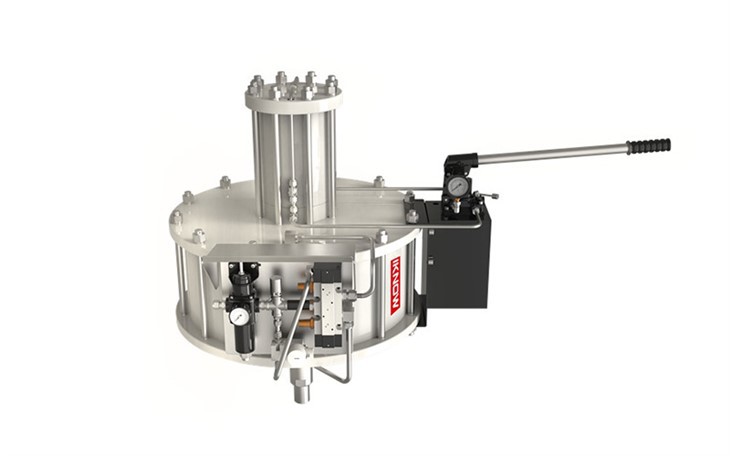

Regular maintenance, including the replacement of worn seals and gaskets, is also crucial. We offer high - quality replacement parts for our pneumatic piston actuators, which are designed to provide a tight seal and prevent leakage.
Conclusion
In conclusion, leakage in a pneumatic piston actuator can have a wide range of negative effects, including reduced performance, lower energy efficiency, decreased reliability, and environmental impact. As a supplier, we understand the importance of providing high - quality actuators and reliable solutions to address leakage issues.
If you are experiencing problems with leakage in your pneumatic piston actuators or are looking for high - performance and reliable actuators, we encourage you to contact us for a detailed discussion. Our team of experts is ready to assist you in selecting the right actuator for your application and providing the necessary support to ensure its optimal performance.
References
- "Pneumatic Systems: Design, Installation, and Troubleshooting" by R. Craig Arnold.
- "Compressed Air Systems: Energy Efficiency and Leak Detection" by the Department of Energy.
- "Industrial Pneumatic Actuators: Principles and Applications" by John Smith.