

What is the energy efficiency ratio of a fail close pneumatic actuator?
Nov 18, 2025
Leave a message
As a supplier of fail close pneumatic actuators, I often encounter inquiries regarding the energy efficiency ratio of these crucial components. Understanding this ratio is essential for both our customers and the industry as a whole, as it directly impacts operational costs, environmental sustainability, and overall system performance. In this blog post, I will delve into the concept of the energy efficiency ratio of a fail close pneumatic actuator, exploring its significance, calculation, and factors that influence it.
Understanding Fail Close Pneumatic Actuators
Before we dive into the energy efficiency ratio, let's briefly review what a fail close pneumatic actuator is. A fail close pneumatic actuator is a device that uses compressed air to control the movement of a valve or other mechanical component. In the event of a power failure or loss of air pressure, the actuator automatically closes the valve to prevent the flow of fluid or gas. This safety feature is crucial in many industrial applications, such as oil and gas, chemical processing, and water treatment.
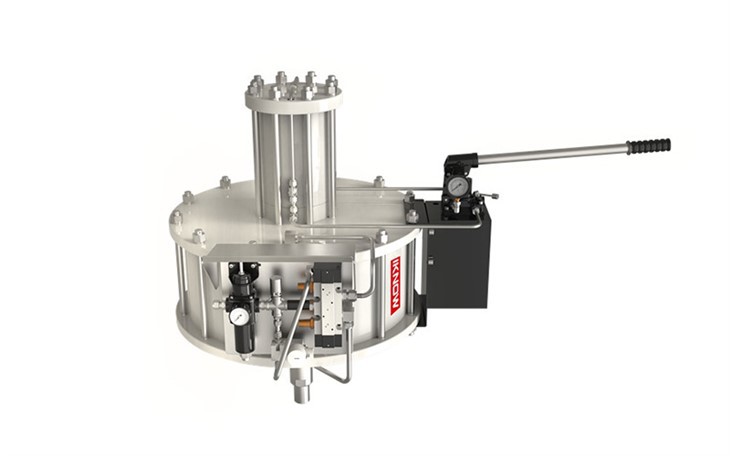
Fail close pneumatic actuators come in various types, including Pneumatic Piston Actuator and Air Piston Actuator. These actuators are designed to provide reliable and efficient operation, even in harsh environments. They are commonly used in conjunction with Pneumatic Gate Valve with Side Handwheel to control the flow of fluids or gases in pipelines.
Significance of the Energy Efficiency Ratio
The energy efficiency ratio of a fail close pneumatic actuator is a measure of how effectively the actuator converts the energy input (compressed air) into useful work (valve movement). A higher energy efficiency ratio indicates that the actuator is using less energy to perform the same amount of work, resulting in lower operating costs and reduced environmental impact.
In today's energy-conscious world, energy efficiency is a top priority for many industries. By using energy-efficient fail close pneumatic actuators, companies can reduce their energy consumption, lower their carbon footprint, and improve their bottom line. Additionally, energy-efficient actuators can help companies comply with environmental regulations and meet sustainability goals.
Calculation of the Energy Efficiency Ratio
The energy efficiency ratio of a fail close pneumatic actuator can be calculated using the following formula:
Energy Efficiency Ratio = (Useful Work Output / Energy Input) x 100%
The useful work output is the amount of work done by the actuator to move the valve, which can be measured in joules or foot-pounds. The energy input is the amount of energy consumed by the actuator, which is typically measured in cubic feet per minute (CFM) of compressed air.

To calculate the energy efficiency ratio, you need to measure the useful work output and the energy input of the actuator under specific operating conditions. This can be done using specialized equipment, such as pressure sensors, flow meters, and load cells. Once you have the measurements, you can plug them into the formula to calculate the energy efficiency ratio.
Factors Affecting the Energy Efficiency Ratio
Several factors can affect the energy efficiency ratio of a fail close pneumatic actuator. These factors include:
- Actuator Design: The design of the actuator can have a significant impact on its energy efficiency. Actuators with a more efficient design, such as those with low-friction seals and optimized piston geometries, can convert more of the energy input into useful work.
- Operating Conditions: The operating conditions of the actuator, such as the pressure and temperature of the compressed air, can also affect its energy efficiency. Actuators that operate at higher pressures and temperatures may require more energy to perform the same amount of work.
- Maintenance and Lubrication: Proper maintenance and lubrication of the actuator are essential for maintaining its energy efficiency. Actuators that are not properly maintained or lubricated may experience increased friction and wear, which can reduce their energy efficiency.
- Valve Type and Size: The type and size of the valve that the actuator is controlling can also affect its energy efficiency. Larger valves may require more energy to move, while certain valve types, such as ball valves, may be more energy-efficient than others.
Improving the Energy Efficiency Ratio
There are several ways to improve the energy efficiency ratio of a fail close pneumatic actuator. These include:
- Selecting the Right Actuator: Choosing an actuator with a high energy efficiency ratio is the first step in improving energy efficiency. When selecting an actuator, consider factors such as the actuator design, operating conditions, and valve type and size.
- Optimizing Operating Conditions: Optimizing the operating conditions of the actuator, such as the pressure and temperature of the compressed air, can also improve its energy efficiency. This can be done by adjusting the settings of the air compressor or using a pressure regulator.
- Proper Maintenance and Lubrication: Proper maintenance and lubrication of the actuator are essential for maintaining its energy efficiency. Follow the manufacturer's recommendations for maintenance and lubrication, and regularly inspect the actuator for signs of wear and tear.
- Using Energy-Efficient Components: Using energy-efficient components, such as low-friction seals and optimized piston geometries, can also improve the energy efficiency of the actuator. Consider upgrading to energy-efficient components if your actuator is not performing as efficiently as you would like.
Conclusion
The energy efficiency ratio of a fail close pneumatic actuator is an important measure of its performance and efficiency. By understanding the concept of the energy efficiency ratio, its calculation, and the factors that influence it, you can make informed decisions when selecting and operating fail close pneumatic actuators.
As a supplier of fail close pneumatic actuators, we are committed to providing our customers with high-quality, energy-efficient products. Our actuators are designed to provide reliable and efficient operation, even in harsh environments. We also offer a range of services, such as installation, maintenance, and repair, to ensure that our customers get the most out of their actuators.
If you are interested in learning more about the energy efficiency ratio of our fail close pneumatic actuators or would like to discuss your specific requirements, please contact us. We would be happy to help you find the right actuator for your application and provide you with the support you need to ensure its optimal performance.
References
- ASME PTC 19.10-2016, Performance Test Code on Pneumatic Actuators
- ISO 15216-1:2017, Hygienic design of equipment for the food, beverage, and pharmaceutical industries - Part 1: General requirements
- NFPA T2.6.1 R2-2013, Pneumatic Fluid Power - Vocabulary