

What is the weight of a fail open pneumatic actuator?
Oct 20, 2025
Leave a message
What is the weight of a fail open pneumatic actuator?
As a supplier of fail open pneumatic actuators, I often encounter inquiries regarding the weight of these essential components. The weight of a fail open pneumatic actuator is a crucial factor that impacts various aspects of its application, including installation, transportation, and overall system design. In this blog post, I will delve into the factors that influence the weight of a fail open pneumatic actuator and provide insights into why it matters.
Factors Influencing the Weight of a Fail Open Pneumatic Actuator
Size and Dimensions
One of the primary factors that determine the weight of a fail open pneumatic actuator is its size and dimensions. Larger actuators typically have more material and components, which contribute to a higher weight. The size of the actuator is often determined by the torque requirements of the application. For instance, applications that require high torque to operate valves or other equipment will necessitate larger actuators. These larger actuators are designed with more robust components, such as larger cylinders and pistons, to generate the required force. As a result, they tend to be heavier than smaller actuators.
Material Composition
The material used in the construction of a fail open pneumatic actuator also plays a significant role in its weight. Actuators can be made from a variety of materials, including aluminum, steel, and stainless steel. Aluminum is a lightweight material that is commonly used in the construction of actuators due to its corrosion resistance and ease of machining. However, aluminum actuators may not be suitable for applications that require high strength or durability. Steel and stainless steel actuators, on the other hand, are heavier but offer superior strength and resistance to wear and tear. The choice of material depends on the specific requirements of the application, such as the operating environment, pressure, and temperature.
Design and Configuration
The design and configuration of a fail open pneumatic actuator can also affect its weight. Some actuators are designed with additional features or components, such as limit switches, positioners, or spring returns, which can increase their weight. For example, a fail open pneumatic actuator with a spring return mechanism will be heavier than a similar actuator without this feature. The spring return mechanism is used to ensure that the actuator returns to its fail-safe position in the event of a loss of air pressure. Additionally, the internal design of the actuator, such as the number of ports or the type of valve used, can also impact its weight.
Why the Weight of a Fail Open Pneumatic Actuator Matters
Installation and Mounting
The weight of a fail open pneumatic actuator is an important consideration during the installation and mounting process. Heavier actuators may require additional support or reinforcement to ensure proper installation. This can increase the complexity and cost of the installation. Additionally, the weight of the actuator can affect the balance and stability of the equipment it is installed on. For example, if a heavy actuator is mounted on a valve that is not designed to support the additional weight, it can cause the valve to malfunction or fail prematurely.
Transportation and Handling
The weight of a fail open pneumatic actuator also affects its transportation and handling. Heavier actuators may require special handling equipment or transportation methods to ensure their safe delivery. This can increase the transportation costs and lead to longer lead times. Additionally, the weight of the actuator can make it more difficult to handle during installation and maintenance. Workers may need to use lifting equipment or additional manpower to move and install the actuator, which can increase the risk of injury.
System Design and Performance
The weight of a fail open pneumatic actuator can also impact the overall design and performance of the system. In some applications, the weight of the actuator may need to be considered when designing the support structure or the piping system. For example, if the actuator is too heavy, it may require a larger and more robust support structure, which can increase the cost and complexity of the system. Additionally, the weight of the actuator can affect the response time and accuracy of the system. Heavier actuators may have more inertia, which can slow down the movement of the valve or other equipment and reduce the overall performance of the system.
Examples of Fail Open Pneumatic Actuators and Their Weights
To provide a better understanding of the weight of fail open pneumatic actuators, let's take a look at some examples.
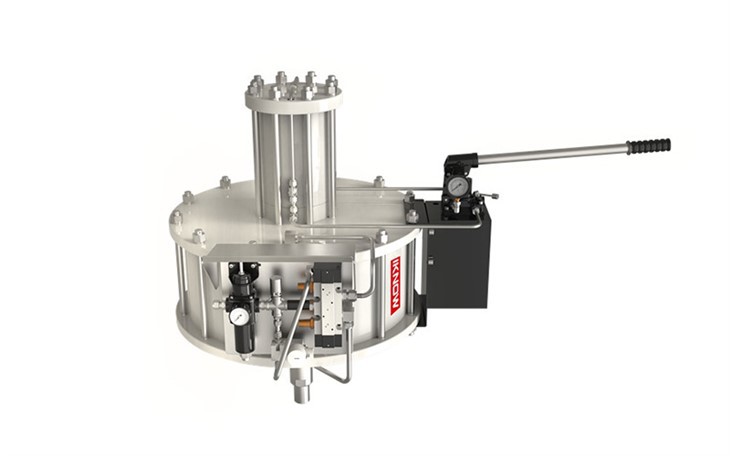
- High Pressure Pneumatic Actuator: The High Pressure Pneumatic Actuator is designed to operate under high pressure conditions. Due to its robust construction and the need to withstand high forces, it is typically heavier than standard actuators. The weight of a high-pressure pneumatic actuator can range from a few kilograms to several hundred kilograms, depending on its size and specifications.
- Air Piston Actuator: The Air Piston Actuator is a common type of fail open pneumatic actuator. It uses compressed air to move a piston, which in turn operates the valve or other equipment. The weight of an air piston actuator can vary depending on its size and the material used in its construction. Smaller air piston actuators may weigh only a few hundred grams, while larger ones can weigh several kilograms.
- Carbon Steel Control Valve Pneumatic Actuator: The Carbon Steel Control Valve Pneumatic Actuator is made from carbon steel, which provides high strength and durability. These actuators are often used in industrial applications where reliability and performance are critical. The weight of a carbon steel control valve pneumatic actuator can range from a few kilograms to tens of kilograms, depending on its size and the specific requirements of the application.
Conclusion
In conclusion, the weight of a fail open pneumatic actuator is influenced by several factors, including size, material composition, and design. Understanding the weight of the actuator is essential for proper installation, transportation, and system design. As a supplier of fail open pneumatic actuators, we offer a wide range of products with different weights and specifications to meet the diverse needs of our customers.
If you are in the market for a fail open pneumatic actuator and have specific weight requirements or other questions, we encourage you to contact us. Our team of experts can provide you with detailed information and help you select the right actuator for your application. We look forward to the opportunity to work with you and provide you with high-quality pneumatic actuators that meet your needs.

References
- "Pneumatic Actuators: Principles, Types, and Applications." Industrial Automation Handbook.
- "Materials Selection for Pneumatic Actuators." Journal of Materials Engineering and Performance.