

Can high pressure pneumatic actuators be used in marine applications?
Nov 18, 2025
Leave a message
High-pressure pneumatic actuators are a type of device that converts compressed air energy into mechanical motion. They are widely used in various industrial applications due to their high power-to-weight ratio, fast response, and ease of control. As a high-pressure pneumatic actuator supplier, I often receive inquiries about the suitability of these actuators for marine applications. In this blog post, I will explore whether high-pressure pneumatic actuators can be used in marine environments, discussing their advantages, challenges, and potential applications.
Advantages of High-Pressure Pneumatic Actuators in Marine Applications
1. High Power and Reliability
High-pressure pneumatic actuators can generate significant force, making them suitable for heavy-duty tasks in marine applications. They can operate under high loads and provide reliable performance even in harsh conditions. For example, in ship steering systems, high-pressure pneumatic actuators can quickly and accurately adjust the rudder angle, ensuring the ship's safe navigation.
2. Fast Response
Pneumatic actuators have a fast response time, which is crucial in marine applications where quick action may be required. For instance, in emergency situations such as collision avoidance or sudden changes in weather conditions, high-pressure pneumatic actuators can rapidly actuate valves or other control devices to prevent damage or ensure the safety of the vessel.
3. Corrosion Resistance
Many high-pressure pneumatic actuators can be designed with corrosion-resistant materials such as stainless steel or special coatings. This makes them suitable for use in marine environments where exposure to saltwater and other corrosive substances is common. For example, in offshore oil and gas platforms, high-pressure pneumatic actuators used in valve control systems need to withstand the harsh marine environment for long periods.
4. Easy Maintenance
Compared to some other types of actuators, high-pressure pneumatic actuators are relatively easy to maintain. They have fewer moving parts, and the basic components are often simple to replace or repair. This is an important advantage in marine applications, where access to maintenance facilities may be limited, and downtime needs to be minimized.
Challenges of Using High-Pressure Pneumatic Actuators in Marine Applications
1. Environmental Conditions
Marine environments present unique challenges, including high humidity, salt spray, and extreme temperatures. These conditions can affect the performance and lifespan of high-pressure pneumatic actuators. For example, salt spray can cause corrosion on the actuator's surface, and high humidity can lead to moisture accumulation inside the actuator, which may damage internal components.
2. Compressed Air Quality
The quality of compressed air is crucial for the proper operation of high-pressure pneumatic actuators. In marine applications, the compressed air may be contaminated with moisture, oil, or other impurities. These contaminants can cause wear and tear on the actuator's seals and valves, reducing its efficiency and reliability. Therefore, proper air treatment systems are required to ensure the quality of the compressed air.
3. Safety Regulations
Marine applications are subject to strict safety regulations. High-pressure pneumatic actuators need to comply with these regulations to ensure the safety of the vessel and its crew. For example, in some cases, the actuators may need to be explosion-proof or have fail-safe mechanisms to prevent accidents.
Potential Marine Applications of High-Pressure Pneumatic Actuators
1. Shipboard Valve Control
High-pressure pneumatic actuators are commonly used for valve control on ships. They can be used to control the flow of various fluids such as fuel, water, and hydraulic oil. For example, in the ship's engine room, high-pressure pneumatic actuators can be used to control the fuel valves, ensuring the proper supply of fuel to the engine.
2. Offshore Platform Equipment
In offshore oil and gas platforms, high-pressure pneumatic actuators are used in a variety of equipment. They can be used to control valves in the production process, such as wellhead valves and pipeline valves. Additionally, they can be used in the platform's safety systems, such as emergency shutdown valves. You can find suitable actuators for these applications on our website, including the Non-standard Double Acting Pneumatic Actuator and Air Piston Actuator.
3. Marine Navigation and Steering Systems
High-pressure pneumatic actuators play a vital role in marine navigation and steering systems. They can be used to control the rudder, ensuring the ship's proper course. In addition, they can be used in other navigation equipment, such as stabilizers and thrusters.
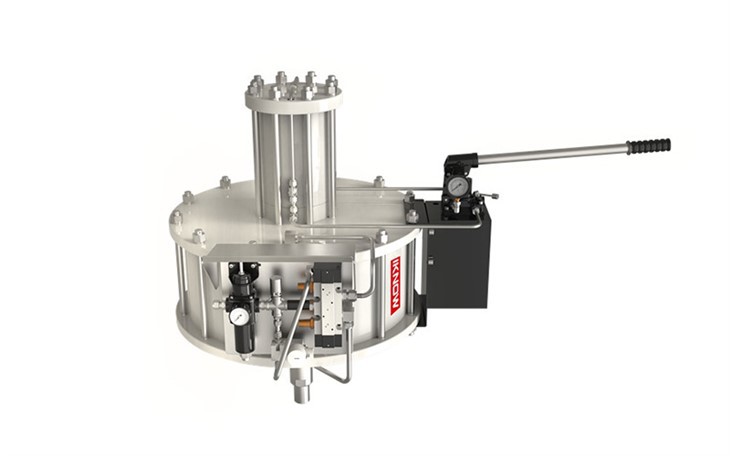

4. Underwater Operations
For underwater operations, high-pressure pneumatic actuators can be used in remotely operated vehicles (ROVs) and autonomous underwater vehicles (AUVs). They can be used to control the vehicle's manipulators, valves, and other components. The Manual Pneumatic Actuator may be a suitable option for some underwater applications.
Solutions to Overcome the Challenges
1. Material Selection
To address the issue of corrosion in marine environments, high-quality corrosion-resistant materials should be used in the manufacturing of high-pressure pneumatic actuators. Stainless steel, aluminum alloys, and special coatings can significantly improve the actuator's resistance to saltwater and other corrosive substances.
2. Air Treatment Systems
Proper air treatment systems should be installed to ensure the quality of the compressed air. This may include filters, dryers, and oil separators. These systems can remove moisture, oil, and other impurities from the compressed air, protecting the actuator's internal components.
3. Design Optimization
The design of high-pressure pneumatic actuators can be optimized to meet the specific requirements of marine applications. For example, the actuator can be designed with sealed enclosures to prevent the ingress of moisture and salt spray. Additionally, fail-safe mechanisms can be incorporated to ensure the safety of the system in case of a malfunction.
Conclusion
In conclusion, high-pressure pneumatic actuators can be used in marine applications, offering several advantages such as high power, fast response, corrosion resistance, and easy maintenance. However, they also face challenges related to environmental conditions, compressed air quality, and safety regulations. By selecting appropriate materials, implementing proper air treatment systems, and optimizing the design, these challenges can be overcome.
As a high-pressure pneumatic actuator supplier, we have a wide range of products suitable for various marine applications. Our actuators are designed and manufactured to meet the highest quality standards, ensuring reliable performance in harsh marine environments. If you are interested in our products or have any questions about using high-pressure pneumatic actuators in your marine projects, please feel free to contact us for further discussion and procurement negotiation.
References
- "Marine Engineering Handbook"
- "Pneumatic Actuator Technology and Applications"
- Industry standards and regulations related to marine equipment and pneumatic actuators.