

What is the corrosion resistance of a gate valve pneumatic actuator?
Jul 14, 2025
Leave a message
Hey there! As a supplier of gate valve pneumatic actuators, I often get asked about the corrosion resistance of these nifty devices. So, let's dive right in and explore what corrosion resistance means for a gate valve pneumatic actuator.
First off, what exactly is a gate valve pneumatic actuator? Well, it's a device that uses compressed air to operate a gate valve. These actuators are widely used in various industries, including oil and gas, water treatment, and chemical processing. They're known for their reliability, durability, and ability to handle high-pressure applications.
Now, let's talk about corrosion. Corrosion is the process of deterioration of a material due to chemical reactions with its environment. In the case of gate valve pneumatic actuators, corrosion can be a major problem, especially in harsh environments. Corrosion can cause the actuator to malfunction, leading to costly repairs and downtime.
So, what factors affect the corrosion resistance of a gate valve pneumatic actuator? There are several factors to consider, including the materials used in the construction of the actuator, the environment in which it operates, and the type of coating or finish applied to the actuator.
Materials Used in Construction
The materials used in the construction of a gate valve pneumatic actuator play a crucial role in its corrosion resistance. Common materials used for actuators include stainless steel, aluminum, and cast iron.
Stainless steel is a popular choice for its excellent corrosion resistance. It contains chromium, which forms a thin, protective oxide layer on the surface of the metal. This oxide layer prevents further corrosion by acting as a barrier between the metal and the environment. Stainless steel is especially suitable for applications in corrosive environments, such as marine or chemical processing plants.
Aluminum is another lightweight and corrosion-resistant material. It forms a natural oxide layer on its surface, which provides some protection against corrosion. However, aluminum may not be as suitable for highly corrosive environments as stainless steel. It's often used in applications where weight is a concern, such as in aerospace or automotive industries.
Cast iron is a strong and durable material, but it's more susceptible to corrosion than stainless steel or aluminum. Cast iron can be coated or painted to improve its corrosion resistance, but it may still require regular maintenance to prevent rust and corrosion.
Operating Environment
The environment in which a gate valve pneumatic actuator operates also has a significant impact on its corrosion resistance. Harsh environments, such as those with high humidity, saltwater, or chemical exposure, can accelerate the corrosion process.
In marine environments, for example, the high salt content in the air and water can cause rapid corrosion of metal components. Actuators used in marine applications need to be made of materials that can withstand the corrosive effects of saltwater. Stainless steel is a common choice for marine actuators due to its excellent corrosion resistance in saltwater environments.
In chemical processing plants, actuators may be exposed to a variety of corrosive chemicals. The type of chemical and its concentration will determine the level of corrosion risk. Specialized materials and coatings may be required to protect the actuator from chemical corrosion.
Coating and Finish
Applying a coating or finish to the gate valve pneumatic actuator can significantly improve its corrosion resistance. There are several types of coatings available, including powder coatings, epoxy coatings, and zinc plating.
Powder coatings are a popular choice for their durability and corrosion resistance. They're applied as a dry powder and then cured under heat to form a hard, protective finish. Powder coatings can provide excellent protection against scratches, abrasion, and corrosion.
Epoxy coatings are another effective option for protecting actuators from corrosion. Epoxy coatings are chemical-resistant and can withstand harsh environments. They're often used in applications where the actuator is exposed to chemicals or high humidity.
Zinc plating is a process in which a thin layer of zinc is applied to the surface of the metal. Zinc acts as a sacrificial anode, meaning it corrodes preferentially to the base metal. This helps to protect the underlying metal from corrosion. Zinc plating is commonly used on steel or iron components to improve their corrosion resistance.
Our Products and Their Corrosion Resistance
At our company, we offer a wide range of gate valve pneumatic actuators designed to meet the needs of various industries. Our actuators are made from high-quality materials and are built to last.
For example, our Non - standard Double Acting Pneumatic Actuator is available in stainless steel construction for enhanced corrosion resistance. This actuator is suitable for use in corrosive environments, such as chemical processing plants and marine applications.
Our Pneumatic Globe Valve with Top Handwheel is also designed with corrosion resistance in mind. It can be made from stainless steel or other corrosion-resistant materials, depending on the application requirements.
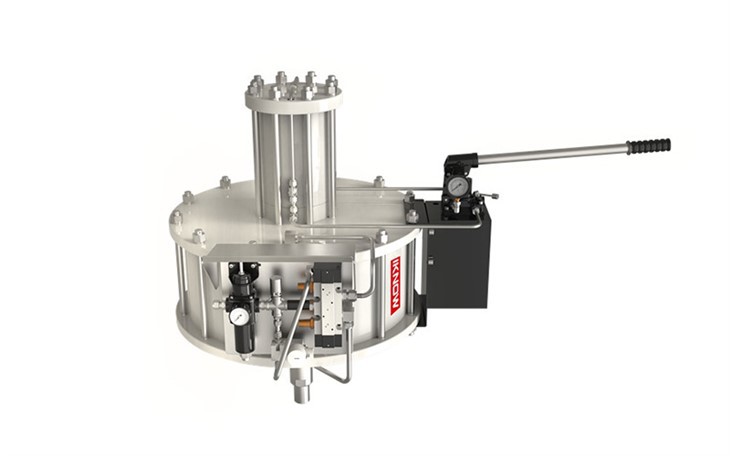
And our Air Piston Actuator is built to withstand the rigors of industrial environments. We can provide different coatings and finishes to ensure optimal corrosion protection for this actuator.
Importance of Corrosion Resistance
The corrosion resistance of a gate valve pneumatic actuator is crucial for its long - term performance and reliability. A corroded actuator can lead to a variety of problems, including reduced efficiency, increased maintenance costs, and even system failures.
When an actuator corrodes, its moving parts may become stuck or damaged, leading to improper valve operation. This can result in leaks, reduced flow control, and potential safety hazards. By investing in a corrosion - resistant actuator, you can minimize these risks and ensure the smooth operation of your system.

Maintenance and Inspection
Even with a corrosion - resistant actuator, regular maintenance and inspection are essential to ensure its continued performance. Here are some tips for maintaining the corrosion resistance of your gate valve pneumatic actuator:
- Regular Cleaning: Keep the actuator clean by removing dirt, debris, and any corrosive substances that may have accumulated on its surface. Use a mild detergent and a soft cloth to clean the actuator.
- Inspection: Periodically inspect the actuator for signs of corrosion, such as rust, pitting, or discoloration. Check the seals, gaskets, and other components for damage or wear.
- Coating Maintenance: If the actuator has a coating or finish, inspect it regularly for any signs of damage or peeling. Touch up any damaged areas with the appropriate coating to maintain its corrosion protection.
- Lubrication: Proper lubrication of the moving parts of the actuator can help prevent corrosion and ensure smooth operation. Use a lubricant recommended by the manufacturer.
Conclusion
In conclusion, the corrosion resistance of a gate valve pneumatic actuator is a critical factor to consider when choosing an actuator for your application. By selecting the right materials, considering the operating environment, and applying appropriate coatings and finishes, you can ensure that your actuator will perform reliably in even the most challenging conditions.
If you're in the market for a gate valve pneumatic actuator, I encourage you to reach out to us. We have a team of experts who can help you select the right actuator for your specific needs. Whether you need a standard or a custom - designed actuator, we've got you covered. Let's start a conversation about your requirements and find the perfect solution for your business.
References
- "Corrosion Resistance of Metals and Alloys", ASM International Handbook Committee
- "Materials Selection for Pneumatic Actuators", Industrial Engineering Journal