

What is the creep of an air piston actuator?
Aug 25, 2025
Leave a message
In the realm of industrial automation and fluid control systems, air piston actuators play a pivotal role. These devices are widely used to convert compressed air energy into mechanical motion, enabling the precise operation of valves and other equipment. One critical concept associated with air piston actuators is "creep." In this blog post, as a trusted air piston actuator supplier, I'll delve into what creep is, its causes, effects, and how to address it.
What is Creep in an Air Piston Actuator?
Creep in an air piston actuator refers to the slow, gradual movement of the actuator's piston over time, even when there is no change in the input signal or operating conditions. This unintended movement can occur in both static and dynamic situations. In a static scenario, the actuator is supposed to hold a fixed position, but the piston starts to drift. In a dynamic situation, the actuator may deviate from its intended motion profile, leading to inaccuracies in the operation of the connected equipment.
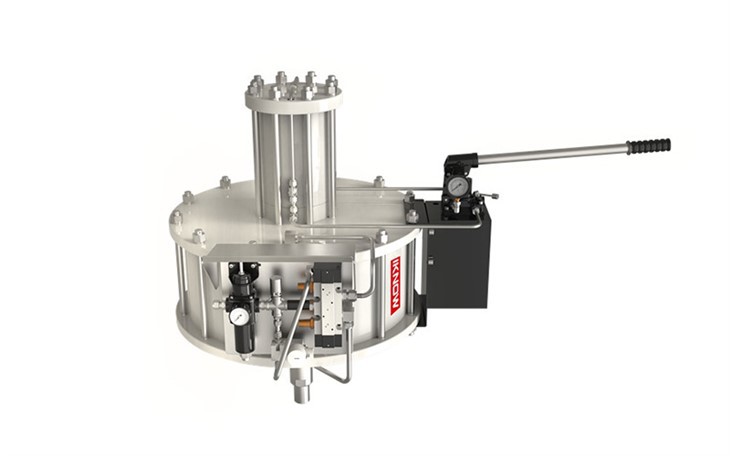

Causes of Creep
Internal Leakage
One of the primary causes of creep in air piston actuators is internal leakage. Over time, seals within the actuator can wear out, develop cracks, or become damaged. This allows compressed air to bypass the intended flow path and gradually move the piston. For example, if the piston seal is not properly seated or has been compromised due to high - pressure operation or chemical exposure, air can leak from one side of the piston to the other, causing a slow displacement.
Friction Variations
Friction within the actuator can also contribute to creep. The actuator's moving parts, such as the piston rod and the cylinder walls, are subject to friction. Changes in the lubrication level, surface roughness, or the presence of contaminants can cause variations in friction. If the friction on one side of the piston is different from the other, it can create an imbalance of forces, leading to a slow movement of the piston. For instance, if the lubricant dries out or becomes contaminated with dust, the friction coefficient may increase, and the piston may start to creep.
Temperature Effects
Temperature changes can have a significant impact on the performance of air piston actuators. As the temperature rises, the air inside the actuator expands, and the materials used in the actuator can also expand or contract. This can cause changes in the internal pressure and the dimensions of the actuator components. If the actuator is not designed to compensate for these thermal effects, it can lead to creep. For example, if the cylinder material expands more than the piston material at high temperatures, it can reduce the clearance between the piston and the cylinder, increasing friction and potentially causing the piston to move.
Effects of Creep
Reduced Precision
Creep can significantly reduce the precision of the actuator's operation. In applications where precise positioning is required, such as in valve control systems for chemical processing or in robotic arms, even a small amount of creep can lead to inaccurate valve openings or misalignments. This can result in inconsistent product quality, process inefficiencies, and potential safety hazards. For example, in a chemical reactor, if the valve controlling the flow of reactants creeps, it can lead to an incorrect mixture ratio, affecting the chemical reaction and the final product.
Increased Wear and Tear
The continuous movement caused by creep can accelerate the wear and tear of the actuator's components. The repeated motion of the piston against the cylinder walls and the seals can cause further damage to the seals and increase the friction between the moving parts. This can lead to a shorter lifespan of the actuator and more frequent maintenance requirements. For instance, if the piston is constantly creeping, the seals will be subjected to additional stress, and they may need to be replaced more often.
System Instability
In some cases, creep can lead to system instability. If the actuator is part of a feedback control system, the unintended movement can disrupt the control loop. The control system may try to compensate for the creep, but if the creep is not properly addressed, it can cause oscillations and instability in the entire system. For example, in a pneumatic control system for a large - scale manufacturing process, actuator creep can lead to fluctuations in the process variables, making it difficult to maintain a stable production environment.
How to Address Creep
Quality Seals and Components
Using high - quality seals and components is essential to prevent internal leakage and reduce the risk of creep. As a supplier, we offer air piston actuators with seals made from high - performance materials that are resistant to wear, chemicals, and high temperatures. These seals are designed to provide a tight fit and maintain their integrity over a long period of time. For example, our Air Piston Actuator is equipped with advanced seal technology to minimize internal leakage and ensure reliable operation.
Regular Maintenance
Regular maintenance is crucial for preventing and detecting creep in air piston actuators. This includes inspecting the seals, lubricating the moving parts, and checking for any signs of wear or damage. By performing routine maintenance, potential issues can be identified and addressed before they lead to significant creep. For example, during maintenance, the seals can be replaced if they show signs of wear, and the lubricant can be replenished to ensure proper friction levels.
Temperature Compensation
To mitigate the effects of temperature changes, air piston actuators can be designed with temperature compensation features. This may involve using materials with low thermal expansion coefficients or incorporating thermal sensors and control systems. These features can help maintain a stable internal pressure and prevent the actuator from creeping due to temperature variations.
Our Product Range and Solutions
As an air piston actuator supplier, we understand the importance of addressing creep and providing reliable products. In addition to our standard air piston actuators, we also offer a variety of related products that can enhance the performance of your pneumatic systems.
Our Pneumatic Globe Valve with Top Handwheel is a high - quality valve that can be paired with our air piston actuators. This valve provides precise flow control and can be easily operated manually or in conjunction with the actuator. The top handwheel allows for emergency operation or fine - tuning of the valve position.
We also offer Non - standard Double Acting Pneumatic Actuator for applications that require custom solutions. These actuators can be designed to meet specific requirements, such as high - pressure operation, extreme temperature conditions, or unique mounting configurations.
Conclusion
Creep in air piston actuators is a complex issue that can have significant impacts on the performance and reliability of industrial systems. By understanding the causes and effects of creep and implementing appropriate preventive measures, such as using high - quality components, performing regular maintenance, and incorporating temperature compensation, the risk of creep can be minimized.
As a leading air piston actuator supplier, we are committed to providing high - quality products and solutions to meet your needs. If you are looking for reliable air piston actuators or related products, we invite you to contact us for a detailed discussion. Our team of experts will be happy to assist you in selecting the right products for your applications and providing technical support throughout the procurement process.
References
- ASME PTC 25.1 - 2014, “Performance Test Code on Pneumatic Actuators”
- ISO 5211 - 2017, “Flanges and their connections - Design of actuator mounts for valves”
- Pneumatic Systems Handbook, edited by Peter Nyce, 2nd Edition, 2018.