

What is the difference between a pneumatic piston actuator and an electric actuator?
Jul 23, 2025
Leave a message
When it comes to industrial automation and control systems, actuators play a crucial role in converting energy into mechanical motion to operate valves, dampers, and other devices. Two commonly used types of actuators are pneumatic piston actuators and electric actuators. As a supplier of pneumatic piston actuators, I have witnessed firsthand the unique characteristics and applications of each type. In this blog post, I will delve into the differences between these two actuator types to help you make an informed decision for your specific needs.
Working Principle
The fundamental difference between pneumatic piston actuators and electric actuators lies in their working principles.
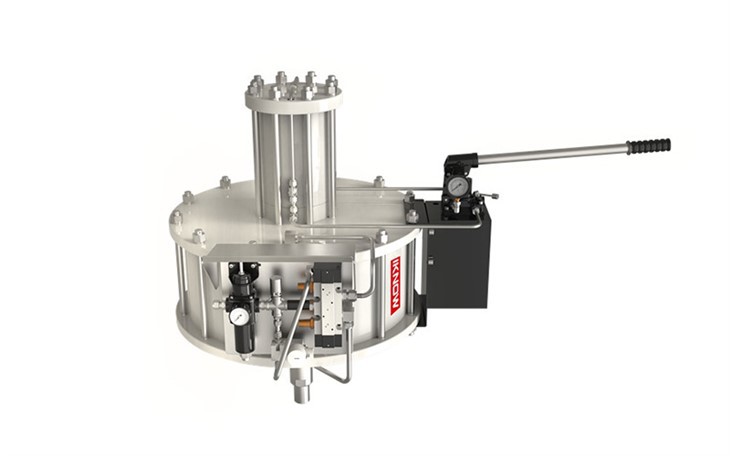
A pneumatic piston actuator operates by using compressed air as its power source. When compressed air is introduced into one side of the piston, it creates a pressure differential that forces the piston to move in a linear or rotary motion. This motion is then transferred to the valve or other device being actuated. The direction and speed of the piston's movement can be controlled by adjusting the air pressure and flow rate. For example, Air Piston Actuator is a typical product in this category, which provides reliable and efficient linear motion for various industrial applications.
On the other hand, an electric actuator uses an electric motor to generate mechanical motion. The motor converts electrical energy into rotational or linear motion, which is then transmitted to the load through a gearbox or other mechanical transmission system. Electric actuators can be powered by either alternating current (AC) or direct current (DC), depending on the application requirements. The speed, position, and torque of the electric actuator can be precisely controlled by using electronic controllers.
Performance Characteristics
Speed and Response Time
Pneumatic piston actuators are known for their fast response time and high-speed operation. Since compressed air can be rapidly introduced or released from the actuator, the piston can move quickly to its desired position. This makes pneumatic actuators suitable for applications that require rapid opening and closing of valves, such as in emergency shutdown systems.
In contrast, electric actuators generally have a slower response time compared to pneumatic actuators. The time it takes for the electric motor to start, accelerate, and reach the desired speed can be relatively long, especially for large or high-torque actuators. However, with the advancement of modern motor control technology, the response time of electric actuators has been significantly improved in recent years.
Force and Torque
Pneumatic piston actuators can generate high forces and torques, especially in large-sized models. The force output of a pneumatic actuator is directly proportional to the air pressure and the piston area. By increasing the air pressure or the piston size, the actuator can produce greater force to operate heavy-duty valves or other equipment. For example, in some industrial processes where large valves need to be opened or closed against high pressure differentials, pneumatic actuators are often the preferred choice.
Electric actuators can also provide high torque output, especially in applications where precise torque control is required. The torque output of an electric actuator can be adjusted by controlling the motor current. Electric actuators are commonly used in applications such as valve positioning, where accurate and repeatable torque control is necessary to ensure proper valve operation.
Precision and Control
Electric actuators offer superior precision and control compared to pneumatic piston actuators. With the use of advanced electronic controllers, electric actuators can accurately control the position, speed, and torque of the actuator. This makes them suitable for applications that require precise positioning and motion control, such as in robotics, CNC machines, and semiconductor manufacturing equipment.
Pneumatic actuators, on the other hand, are generally less precise in terms of position and speed control. The compressibility of air and the inherent friction in the actuator components can cause some variability in the actuator's performance. However, with the use of position sensors and feedback control systems, the precision of pneumatic actuators can be improved to some extent.
Environmental Considerations
Temperature and Humidity
Pneumatic piston actuators are relatively more tolerant of extreme temperatures and humidity compared to electric actuators. Compressed air can be used in a wide range of temperatures, from -40°C to 200°C or even higher in some specialized applications. Pneumatic actuators also do not require electrical power, which makes them suitable for use in hazardous environments where the presence of electrical sparks could pose a safety risk.
Electric actuators, on the other hand, are more sensitive to temperature and humidity. High temperatures can cause the motor to overheat and reduce its performance, while high humidity can lead to corrosion and electrical short circuits. In addition, electric actuators require proper ventilation and cooling to ensure their reliable operation.

Noise and Vibration
Pneumatic piston actuators can generate significant noise and vibration during operation, especially when the air is rapidly released or exhausted. This can be a concern in some working environments where noise pollution needs to be minimized. To reduce the noise and vibration of pneumatic actuators, silencers and vibration dampers can be installed.
Electric actuators generally operate more quietly and smoothly compared to pneumatic actuators. Since there is no air flow or rapid pressure changes in electric actuators, the noise and vibration levels are relatively low. This makes electric actuators suitable for applications where a quiet working environment is required, such as in hospitals, laboratories, and office buildings.
Cost and Maintenance
Initial Cost
The initial cost of pneumatic piston actuators is generally lower than that of electric actuators. Pneumatic actuators are relatively simple in structure and do not require complex electronic control systems. In addition, the cost of compressed air generation and distribution equipment is also relatively low compared to the cost of electrical power supply and control systems. Therefore, for applications with a limited budget, pneumatic actuators are often a more cost-effective choice.
However, it should be noted that the total cost of ownership of an actuator includes not only the initial purchase cost but also the operating cost, maintenance cost, and energy cost over the actuator's service life. In some cases, the long-term cost of using pneumatic actuators may be higher than that of electric actuators due to the higher energy consumption and maintenance requirements of compressed air systems.
Maintenance Requirements
Pneumatic piston actuators require regular maintenance to ensure their reliable operation. The main maintenance tasks include checking the air pressure, cleaning the air filters, lubricating the moving parts, and inspecting the seals for leaks. In addition, the compressed air system needs to be maintained to ensure the quality and dryness of the air supply.
Electric actuators also require maintenance, but the maintenance requirements are generally less frequent and less complex compared to pneumatic actuators. The main maintenance tasks for electric actuators include checking the motor insulation, lubricating the gearbox, and inspecting the electrical connections. With proper maintenance, electric actuators can have a long service life and high reliability.
Application Examples
Pneumatic Piston Actuator Applications
- Process Control Valves: Pneumatic piston actuators are widely used in industrial process control systems to operate various types of valves, such as Pneumatic Globe Valve with Top Handwheel. These valves are used to control the flow, pressure, and temperature of fluids in chemical, petrochemical, and power generation plants.
- Automotive Manufacturing: In automotive manufacturing, pneumatic actuators are used in assembly lines to operate robotic arms, clamping devices, and other equipment. The fast response time and high force output of pneumatic actuators make them suitable for high-speed and high-volume production applications.
- Food and Beverage Industry: Pneumatic actuators are commonly used in the food and beverage industry to operate valves and other equipment in a hygienic and reliable manner. Since pneumatic actuators do not require electrical power, they can be easily cleaned and sanitized to meet the strict hygiene requirements of the food industry.
Electric Actuator Applications
- Building Automation: Electric actuators are widely used in building automation systems to control the opening and closing of dampers, valves, and other equipment. These actuators can be integrated with building management systems to provide energy-efficient and comfortable indoor environments.
- Medical Equipment: In medical equipment, electric actuators are used to provide precise motion control for devices such as hospital beds, surgical robots, and diagnostic equipment. The high precision and reliability of electric actuators are essential for ensuring the safety and effectiveness of medical procedures.
- Renewable Energy Systems: Electric actuators are used in renewable energy systems such as wind turbines and solar panels to control the pitch angle of the blades and the orientation of the panels. The ability to accurately control the position and motion of the actuator is crucial for maximizing the energy output of these systems.
Conclusion
In summary, both pneumatic piston actuators and electric actuators have their own advantages and disadvantages, and the choice between them depends on the specific application requirements. Pneumatic piston actuators are suitable for applications that require fast response time, high force output, and tolerance to extreme environments. They are also relatively inexpensive and easy to maintain. On the other hand, electric actuators are ideal for applications that require precise positioning, motion control, and low noise and vibration levels. They offer superior precision and control, but they are generally more expensive and require more complex maintenance.
As a supplier of pneumatic piston actuators, I am committed to providing high-quality products and excellent customer service. If you are considering using pneumatic piston actuators in your industrial applications, or if you have any questions about the differences between pneumatic and electric actuators, please feel free to contact us for more information. We will be happy to assist you in selecting the most suitable actuator for your needs and provide you with a comprehensive solution.
References
- ASME PTC 25-2014, Performance Test Code on Valves
- ISO 5211, Mounting Dimensions for Industrial Valves - Multi - Turn Actuator Attachment
- Fisher Controls International LLC, Actuator Handbook