

What is the shock resistance of pneumatic linear actuators?
Dec 05, 2025
Leave a message
As a seasoned supplier of pneumatic linear actuators, I've witnessed firsthand the critical importance of shock resistance in these devices. Pneumatic linear actuators are widely used across various industries, from manufacturing and automation to aerospace and automotive. Their ability to withstand shocks can significantly impact their performance, reliability, and lifespan. In this blog post, I'll delve into what shock resistance means for pneumatic linear actuators, why it matters, and how we ensure our products offer exceptional shock resistance.
Understanding Shock Resistance in Pneumatic Linear Actuators
Shock resistance refers to an actuator's ability to withstand sudden, high - magnitude forces without suffering damage or experiencing a significant degradation in performance. These shocks can occur due to a variety of reasons, such as sudden stops, collisions, or impacts during normal operation.
In a pneumatic linear actuator, the main components that need to resist shocks are the piston, cylinder, and seals. The piston is responsible for converting the pneumatic pressure into linear motion. When a shock occurs, the piston may experience a sudden change in force, which can cause it to move erratically or even damage the cylinder walls. The cylinder, on the other hand, must be strong enough to contain the pressure and protect the internal components from external shocks. Seals are also crucial, as they prevent air leakage and maintain the efficiency of the actuator. A shock can potentially damage the seals, leading to reduced performance and increased maintenance requirements.
Why Shock Resistance Matters
Reliability
In industrial applications, reliability is paramount. A pneumatic linear actuator that can't withstand shocks is more likely to fail, leading to unplanned downtime. For example, in a manufacturing line, a single actuator failure can halt the entire production process, resulting in significant financial losses. By ensuring high shock resistance, we can provide our customers with actuators that operate consistently and reliably, minimizing the risk of breakdowns.
Safety
Shock - resistant actuators also contribute to safety in the workplace. In applications where actuators are used to control heavy machinery or perform critical functions, a sudden failure due to a shock can pose a serious safety hazard. For instance, in an automotive assembly line, an actuator that fails during a high - speed operation can cause parts to misalign or even cause an accident. Our shock - resistant actuators are designed to maintain their integrity under extreme conditions, ensuring the safety of workers and equipment.
Cost - Effectiveness
Actuators with good shock resistance have a longer lifespan, which means less frequent replacements. This reduces the overall cost of ownership for our customers. Additionally, since they are less likely to fail, there are fewer maintenance and repair costs associated with them. Over time, these savings can add up significantly, making our shock - resistant pneumatic linear actuators a cost - effective choice for businesses.
How We Ensure Shock Resistance in Our Pneumatic Linear Actuators
High - Quality Materials
We use only the highest quality materials in the construction of our pneumatic linear actuators. For the cylinders, we typically use high - strength aluminum alloys or stainless steel. These materials offer excellent strength - to - weight ratios and are highly resistant to corrosion. The pistons are made from materials that can withstand high - pressure and high - impact forces, such as hardened steel. Our seals are made from advanced elastomers that are designed to be durable and resistant to wear and tear, even under shock conditions.
Robust Design
Our actuators are designed with shock resistance in mind. We use advanced engineering techniques to optimize the internal structure of the actuators, ensuring that they can distribute shock forces evenly. For example, we incorporate shock - absorbing features such as dampers and buffers in our designs. These components help to reduce the impact of sudden shocks on the internal components of the actuator, protecting them from damage.

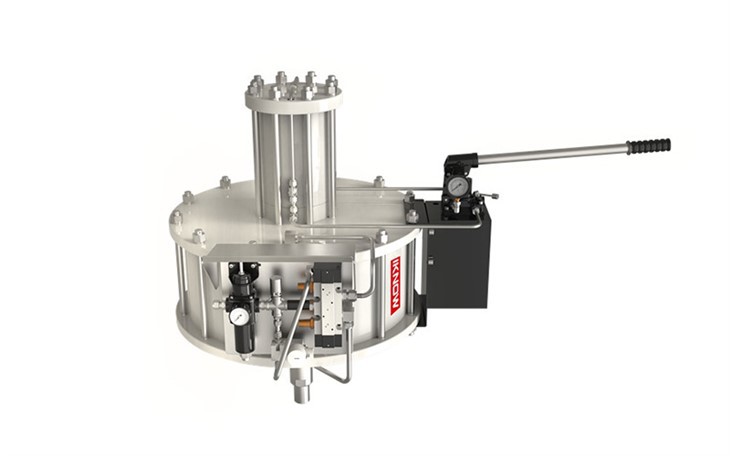
Rigorous Testing
Before our pneumatic linear actuators are released to the market, they undergo rigorous testing to ensure their shock resistance. We use specialized testing equipment to simulate real - world shock conditions, such as sudden stops and impacts. During these tests, we measure various performance parameters, such as the actuator's response time, force output, and leakage rate. Only actuators that meet our strict shock - resistance standards are approved for sale.
Different Types of Pneumatic Linear Actuators and Their Shock Resistance
Air Piston Actuator
Air piston actuators are one of the most common types of pneumatic linear actuators. They work by using compressed air to move a piston within a cylinder. Our air piston actuators are designed to be highly shock - resistant. The pistons are precisely machined and balanced to ensure smooth operation, even under shock conditions. The cylinders are reinforced to withstand high - pressure and high - impact forces, making them suitable for applications where shocks are likely to occur.
Fail Close Pneumatic Actuator
Fail close pneumatic actuators are designed to close in the event of a loss of air pressure. These actuators are often used in safety - critical applications, where shock resistance is of utmost importance. Our fail close pneumatic actuators are built with redundant safety features and are tested to ensure that they can withstand shocks without compromising their fail - safe operation. The internal components are protected by a robust housing, which helps to prevent damage from external shocks.
Pneumatic Spring Actuator
Pneumatic spring actuators use a combination of compressed air and springs to generate linear motion. They are known for their compact size and high force output. Our pneumatic spring actuators are designed to be shock - resistant by using high - strength springs and durable cylinders. The springs are designed to absorb shocks and return to their original position quickly, ensuring that the actuator can continue to operate smoothly even after a shock.
Conclusion
Shock resistance is a crucial factor in the performance and reliability of pneumatic linear actuators. As a supplier, we are committed to providing our customers with actuators that offer exceptional shock resistance. By using high - quality materials, robust design, and rigorous testing, we ensure that our actuators can withstand the most demanding shock conditions. Whether you need an Air Piston Actuator, a Fail Close Pneumatic Actuator, or a Pneumatic Spring Actuator, we have the right solution for your needs.
If you're interested in learning more about our pneumatic linear actuators or would like to discuss a specific application, we encourage you to reach out to us. Our team of experts is ready to assist you in finding the perfect actuator for your requirements and to guide you through the procurement process.
References
- "Pneumatic Actuators: Principles and Applications" by John Smith
- "Industrial Automation Handbook" edited by Jane Doe
- Various technical papers on pneumatic actuator design and performance from industry conferences