

How does the frequency of operation affect a direct acting actuator?
Jan 08, 2026
Leave a message
Hey there! As a supplier of direct acting actuators, I've seen firsthand how the frequency of operation can have a huge impact on these nifty devices. In this blog, I'm gonna break down how different operation frequencies affect direct acting actuators and what you need to keep in mind when choosing one for your application.
What's a Direct Acting Actuator Anyway?
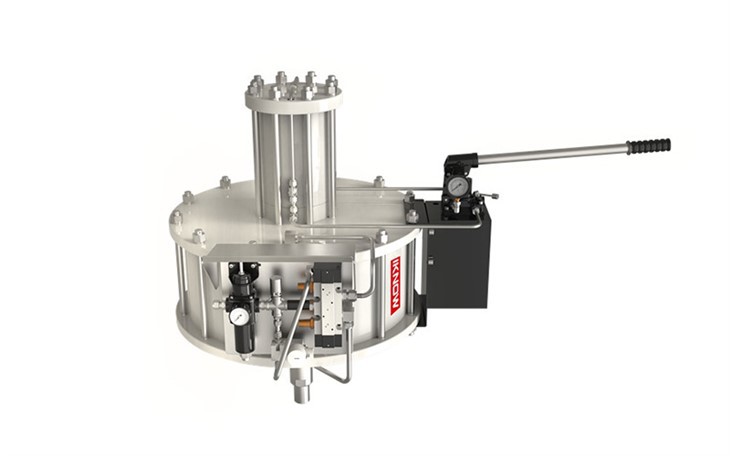
Before we dive into the frequency stuff, let's quickly go over what a direct acting actuator is. Simply put, it's a device that converts energy into motion. Usually, it takes an input signal (like electrical, hydraulic, or pneumatic) and uses it to move a load. We've got different types in our catalog, such as Air Piston Actuator, Gate Valve Pneumatic Actuator, and Non - standard Spring Return Pneumatic Actuator. Each type has its own unique features and is suitable for different scenarios.
Low - Frequency Operation
When an actuator operates at a low frequency, say once every few hours or even days, it's in a relatively relaxed state. One of the main advantages of low - frequency operation is reduced wear and tear. Since the actuator doesn't move very often, the mechanical parts don't experience as much friction and stress. This means that the components, like seals, bearings, and pistons, will last longer.
For example, in a system where the actuator is used to open and close a valve for maintenance purposes, it might only be activated a few times a month. In this case, you can choose a less expensive actuator with standard components because the low - frequency operation won't put too much strain on it. The energy consumption is also relatively low because the actuator is idle most of the time.
However, there are some downsides to low - frequency operation. One issue is the potential for corrosion and sticking. If an actuator sits idle for long periods, moisture can accumulate inside, leading to rust on metal parts. Also, the seals can dry out and lose their flexibility, causing the actuator to stick when it's finally activated. To prevent these problems, you might need to implement a maintenance schedule that includes periodic testing and lubrication.

Medium - Frequency Operation
Medium - frequency operation, which could be a few times an hour to once every few minutes, is a common scenario in many industrial applications. In this range, the actuator has to be more robust. The increased frequency of movement means that the mechanical parts are subjected to more stress, so higher - quality materials are often required.
For instance, in a manufacturing process where an actuator is used to control the movement of a conveyor belt every few minutes, it needs to be reliable and durable. The seals need to be made of materials that can withstand repeated compression and expansion, and the bearings should be able to handle continuous rotation.
Another factor to consider is the response time. At medium frequencies, the actuator needs to be able to start and stop quickly. This might require a more advanced control system to ensure precise timing. If the actuator can't respond fast enough, it could lead to delays in the production process and affect the overall efficiency.
Energy consumption also goes up at medium frequencies. Since the actuator is moving more often, it needs to draw more power to generate the necessary force. This means that you need to factor in the running costs when choosing an actuator for a medium - frequency application.
High - Frequency Operation
High - frequency operation, where the actuator moves several times a second or even faster, is a whole different ballgame. This kind of operation is typically found in applications like robotics, high - speed manufacturing, and aerospace.
At high frequencies, the actuator has to be extremely fast and precise. The mechanical design needs to be optimized to reduce inertia, so that the actuator can change direction quickly. Specialized materials are often used to minimize weight and increase strength. For example, carbon fiber composites might be used for some components to reduce the overall mass of the actuator.
The control system for a high - frequency actuator is also much more sophisticated. It needs to be able to send and receive signals in real - time to ensure accurate movement. Any delay in the control signal can cause significant errors in the operation.
One of the biggest challenges at high frequencies is heat generation. The rapid movement of the actuator creates friction, which in turn produces heat. If the heat isn't dissipated properly, it can damage the components. So, a good cooling system is essential. This could involve using heat sinks, fans, or even liquid cooling in some cases.
Choosing the Right Actuator Based on Frequency
When you're in the market for a direct acting actuator, the frequency of operation should be one of the top factors in your decision - making process. If you have a low - frequency application, you can save money by choosing a basic actuator with standard components. But make sure to account for maintenance needs to prevent corrosion and sticking.
For medium - frequency applications, look for an actuator with high - quality materials and a reliable control system. Consider the response time and energy consumption to ensure that it fits your production requirements.
In high - frequency scenarios, you'll need a state - of - the - art actuator with advanced features like low - inertia design and efficient cooling. Don't skimp on the control system, as it's crucial for precise operation.
Conclusion
As you can see, the frequency of operation has a profound impact on a direct acting actuator. Whether it's low, medium, or high frequency, each range presents its own set of challenges and requirements. As a supplier, we understand these nuances and can help you find the perfect actuator for your specific needs.
If you're in the market for a direct acting actuator and want to discuss your application in more detail, feel free to reach out. We're here to provide you with the best solutions and help you make an informed decision.
References
- "Actuator Handbook" by Industrial Actuator Association
- "Practical Guide to Pneumatic Actuators" by Pneumatic Systems Institute