

What are the anti - corrosion measures for a pneumatic spring actuator in a marine environment?
Sep 18, 2025
Leave a message
In the vast expanse of the marine environment, pneumatic spring actuators face a relentless onslaught of corrosive elements. As a leading supplier of pneumatic spring actuators, we understand the critical importance of implementing effective anti - corrosion measures to ensure the longevity and reliable performance of these essential components.
Understanding the Corrosive Marine Environment
The marine environment is a harsh and unforgiving place for pneumatic spring actuators. Saltwater, high humidity, and the presence of various chemicals create a perfect storm for corrosion. Saltwater, in particular, is highly conductive and contains ions that can accelerate the corrosion process. The chloride ions in saltwater can break down the protective oxide layer on metal surfaces, exposing the underlying metal to further attack.
High humidity levels also play a significant role in corrosion. Moisture in the air can condense on the surface of the actuator, creating a thin film of water that facilitates the flow of electrons and promotes electrochemical reactions. In addition, the marine environment is often polluted with sulfur dioxide, nitrogen oxides, and other pollutants, which can react with water and oxygen to form acids that corrode the actuator materials.
Material Selection
One of the most fundamental anti - corrosion measures is the careful selection of materials for the pneumatic spring actuator. Stainless steel is a popular choice due to its excellent corrosion resistance. Austenitic stainless steels, such as 304 and 316, contain chromium and nickel, which form a passive oxide layer on the surface of the metal. This oxide layer acts as a barrier, preventing further oxidation and corrosion. 316 stainless steel, in particular, contains molybdenum, which enhances its resistance to pitting and crevice corrosion, making it well - suited for marine applications.
Aluminum alloys are another option. Aluminum forms a thin, self - healing oxide layer when exposed to air, which provides some level of corrosion protection. However, in a marine environment, aluminum alloys may require additional surface treatments to enhance their corrosion resistance. For example, anodizing can be used to create a thicker and more durable oxide layer on the aluminum surface.
In addition to the base materials, the seals and gaskets used in the actuator also need to be carefully selected. Elastomers such as nitrile rubber (NBR), fluorocarbon rubber (FKM), and ethylene propylene diene monomer (EPDM) can be used. FKM, in particular, has excellent resistance to oil, fuel, and chemicals, as well as good weathering and ozone resistance, making it suitable for marine applications.
Surface Coatings
Surface coatings are an effective way to enhance the corrosion resistance of pneumatic spring actuators. One common coating is powder coating. Powder coating involves applying a dry powder to the surface of the actuator and then curing it under heat to form a hard, durable finish. Powder coatings can provide excellent protection against corrosion, abrasion, and UV radiation. They are available in a wide range of colors and finishes, allowing for customization according to the customer's requirements.
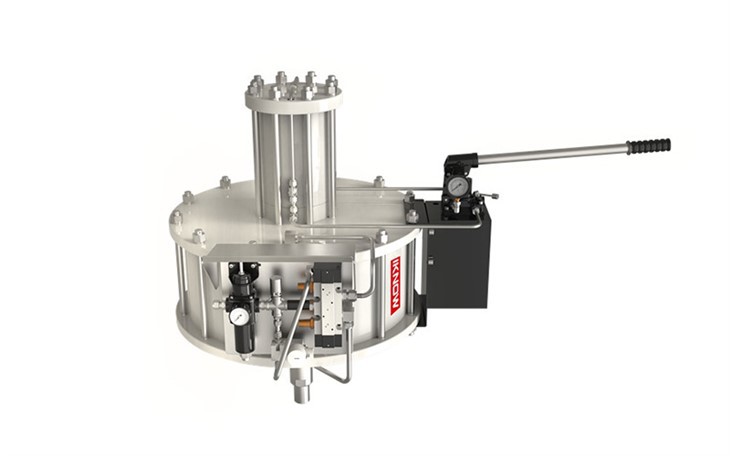

Another option is epoxy coating. Epoxy coatings are known for their high adhesion, chemical resistance, and corrosion protection. They can be applied in multiple layers to provide a thick and robust barrier against the marine environment. Epoxy coatings are particularly effective in protecting against saltwater corrosion and can be used on both metal and non - metal surfaces.
Zinc plating is also a widely used surface treatment. Zinc is a sacrificial metal, which means that it will corrode preferentially to the base metal. When zinc is plated onto the surface of the actuator, it forms a protective layer that can prevent the underlying metal from corroding. Zinc plating can be further enhanced with chromate conversion coatings, which improve the corrosion resistance and provide additional protection against white rust.
Design Considerations
The design of the pneumatic spring actuator can also have a significant impact on its corrosion resistance. For example, avoiding crevices and stagnant areas in the design can prevent the accumulation of water and debris, which can lead to corrosion. Smooth surfaces are easier to clean and maintain, reducing the risk of corrosion.
Proper drainage holes should be incorporated into the design to allow water to drain away from the actuator. This helps to prevent the formation of standing water, which can accelerate the corrosion process. In addition, the actuator should be designed to minimize the contact between different metals, as this can lead to galvanic corrosion. If different metals must be used in close proximity, insulating materials can be used to separate them.
Maintenance and Inspection
Regular maintenance and inspection are essential for ensuring the long - term anti - corrosion performance of pneumatic spring actuators in a marine environment. Visual inspections should be carried out regularly to check for signs of corrosion, such as rust, pitting, or discoloration. Any signs of corrosion should be addressed immediately to prevent further damage.
Cleaning the actuator regularly is also important. This can be done using a mild detergent and water to remove salt, dirt, and other contaminants from the surface. After cleaning, the actuator should be thoroughly dried to prevent moisture from remaining on the surface.
Lubrication is another crucial aspect of maintenance. Proper lubrication can prevent friction and wear, as well as protect the moving parts of the actuator from corrosion. The lubricant should be selected based on the operating conditions and the materials of the actuator.
Our Product Range and Anti - Corrosion Features
As a pneumatic spring actuator supplier, we offer a wide range of products designed to withstand the harsh marine environment. Our Gate Valve Pneumatic Actuator is constructed using high - quality stainless steel materials and advanced surface coatings to provide excellent corrosion resistance. It is designed with smooth surfaces and proper drainage to prevent the accumulation of water and debris.
Our Air Piston Actuator also features robust anti - corrosion measures. The aluminum alloy body is anodized to enhance its corrosion resistance, and the seals are made of high - performance elastomers that can withstand the marine environment.
For customers with specific requirements, we also offer Non - standard Spring Return Pneumatic Actuator. These actuators can be customized with the appropriate materials and coatings to meet the unique anti - corrosion needs of the marine application.
Conclusion
In conclusion, protecting pneumatic spring actuators from corrosion in a marine environment requires a comprehensive approach that includes material selection, surface coatings, design considerations, and regular maintenance. By implementing these anti - corrosion measures, we can ensure the reliable performance and long service life of our actuators in the challenging marine environment.
If you are in need of high - quality pneumatic spring actuators with excellent anti - corrosion properties for your marine applications, we invite you to contact us for procurement and further discussions. Our team of experts is ready to provide you with the best solutions tailored to your specific needs.
References
- Fontana, M. G. (1986). Corrosion Engineering. McGraw - Hill.
- Uhlig, H. H., & Revie, R. W. (1985). Corrosion and Corrosion Control. John Wiley & Sons.
- ASTM International. (2019). ASTM standards related to corrosion testing and evaluation.